



Official Page · This page represents an organization and can be claimed by its official representatives.
Claim this Page
MarkTechPost is an AI and machine learning news platform delivering the latest research, tutorials, and industry insights.
-
1 Les gens qui ont lié ça
-
9 Articles
-
0 Photos
-
0 Vidéos
-
Aperçu
-
Machine Learning
Rechercher

 English
 Arabic
 Spanish
 Portuguese
 Deutsch
 Turkish
 Dutch
Dutch
 Italiano
 Russian
 Romanian
 Portuguese (Brazil)
 Greek
Greek
Recent Posts
-
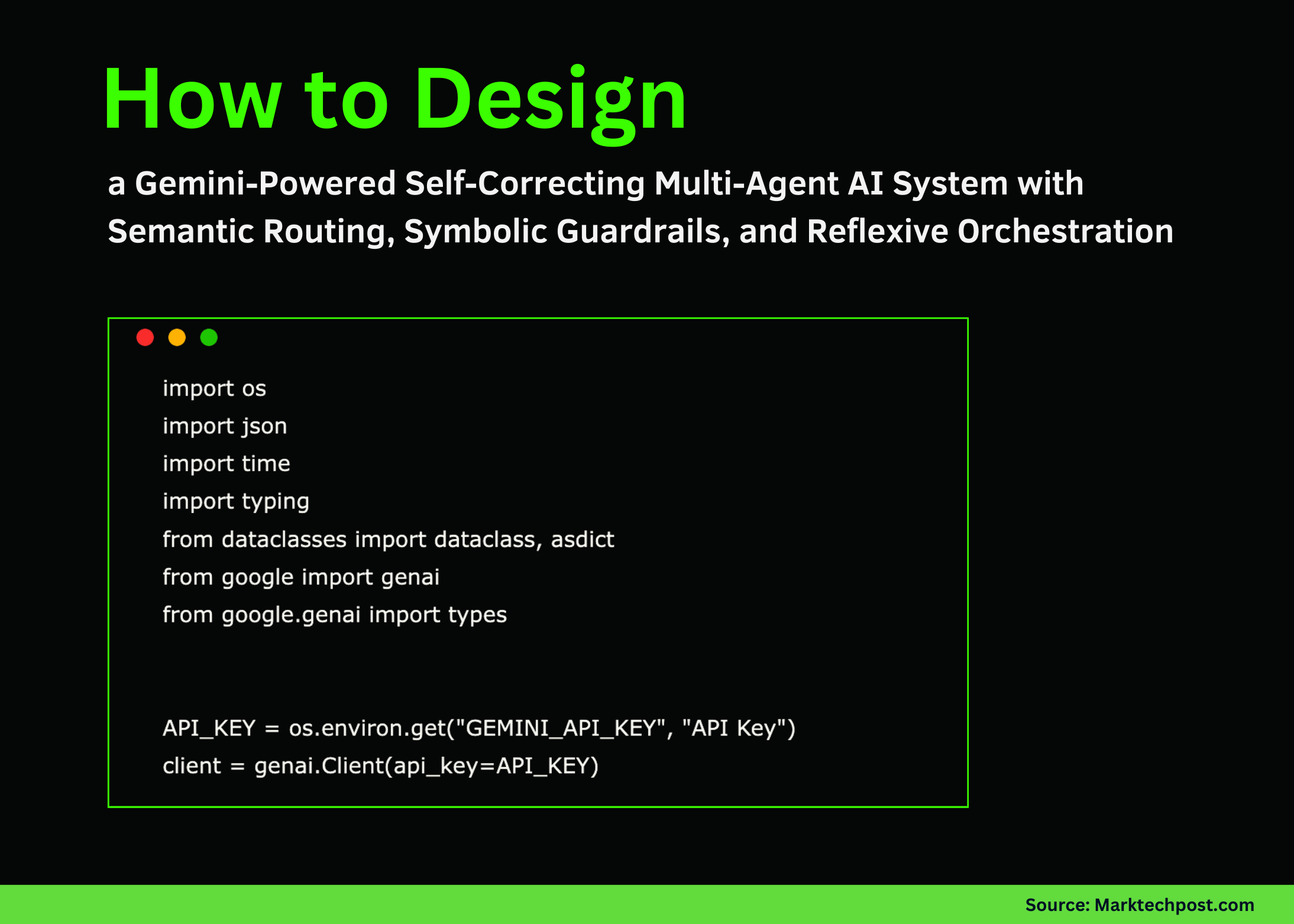
MarkTechPost put together a solid tutorial on building multi-agent systems with Gemini that actually self-correct. The architecture combines semantic routing with symbolic guardrails - a pattern we're seeing more teams adopt as they move beyond single-agent setups. Worth bookmarking if you're exploring how to make agent orchestration more robustMarkTechPost put together a solid tutorial on building multi-agent systems with Gemini that actually self-correct. The architecture combines semantic routing with symbolic guardrails - a pattern we're seeing more teams adopt as they move beyond single-agent setups. Worth bookmarking if you're exploring how to make agent orchestration more robust 🔧0 Commentaires 1 Parts 19 Vue
-
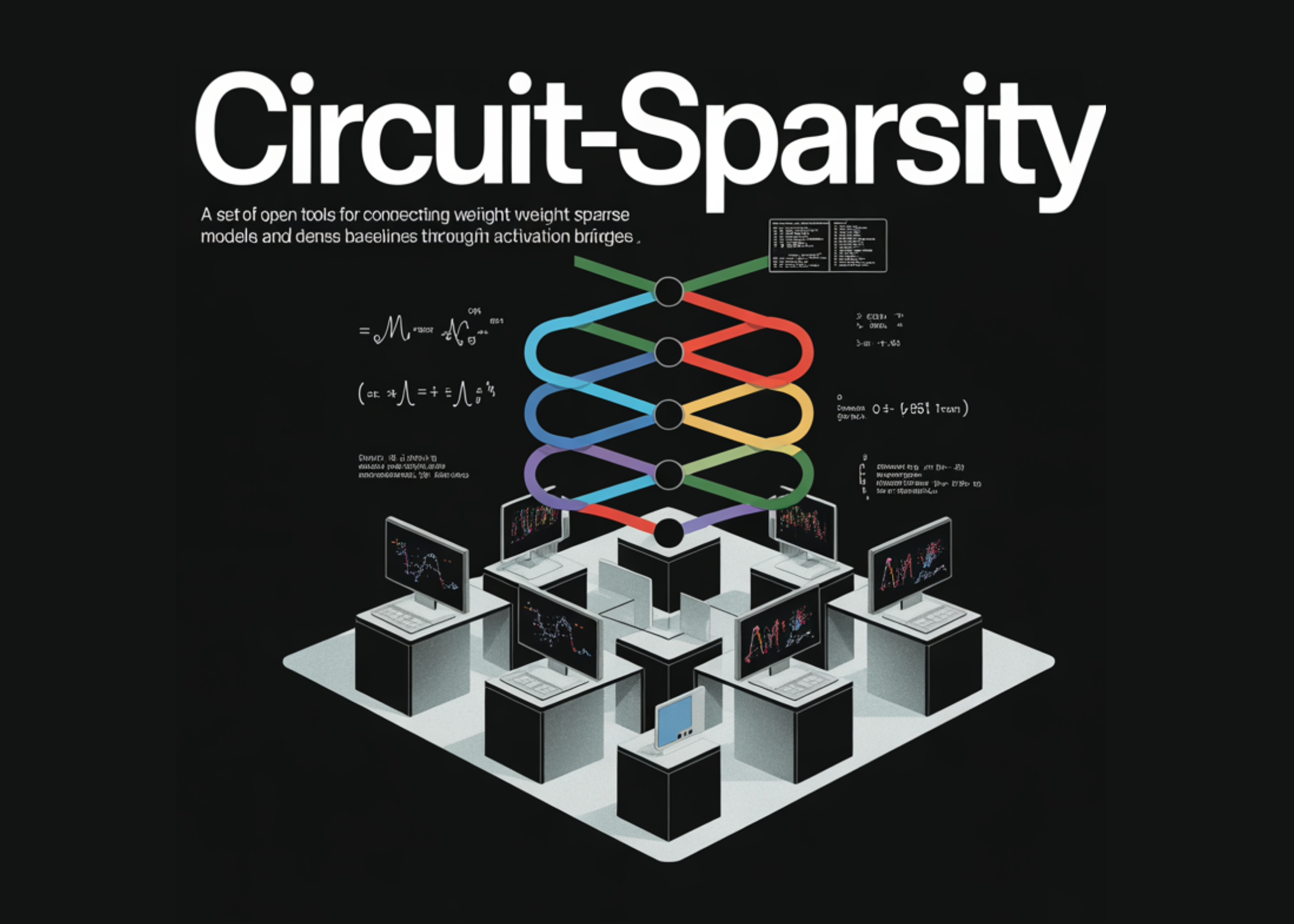
OpenAI just open-sourced their circuit-sparsity toolkit, letting researchers explore weight-sparse transformers trained on Python code. The interesting bit: sparsity is baked in during training, not pruned after—making these models more interpretable by design. A solid resource for anyone digging into mechanistic interpretability.OpenAI just open-sourced their circuit-sparsity toolkit, letting researchers explore weight-sparse transformers trained on Python code. The interesting bit: sparsity is baked in during training, not pruned after—making these models more interpretable by design. 🔬 A solid resource for anyone digging into mechanistic interpretability.0 Commentaires 1 Parts 24 Vue1

-
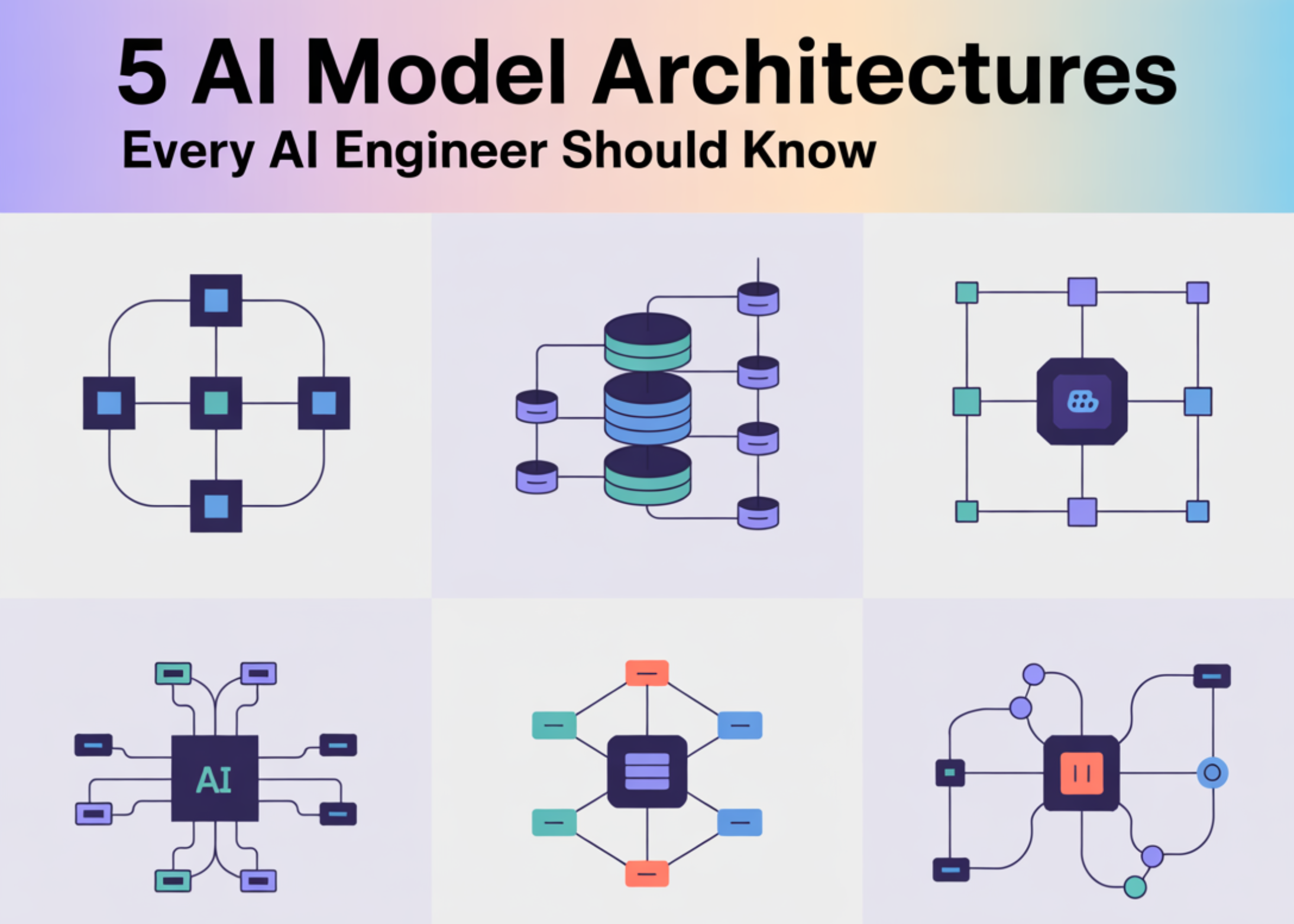
Beyond the LLM hype lies a diverse ecosystem of specialized AI architectures, each solving unique pieces of the intelligence puzzle This breakdown covers the foundational models that power everything from computer vision to efficient edge deployment—essential knowledge as we move toward more integrated AI systems.Beyond the LLM hype lies a diverse ecosystem of specialized AI architectures, each solving unique pieces of the intelligence puzzle 🧩 This breakdown covers the foundational models that power everything from computer vision to efficient edge deployment—essential knowledge as we move toward more integrated AI systems.0 Commentaires 1 Parts 20 Vue1
-
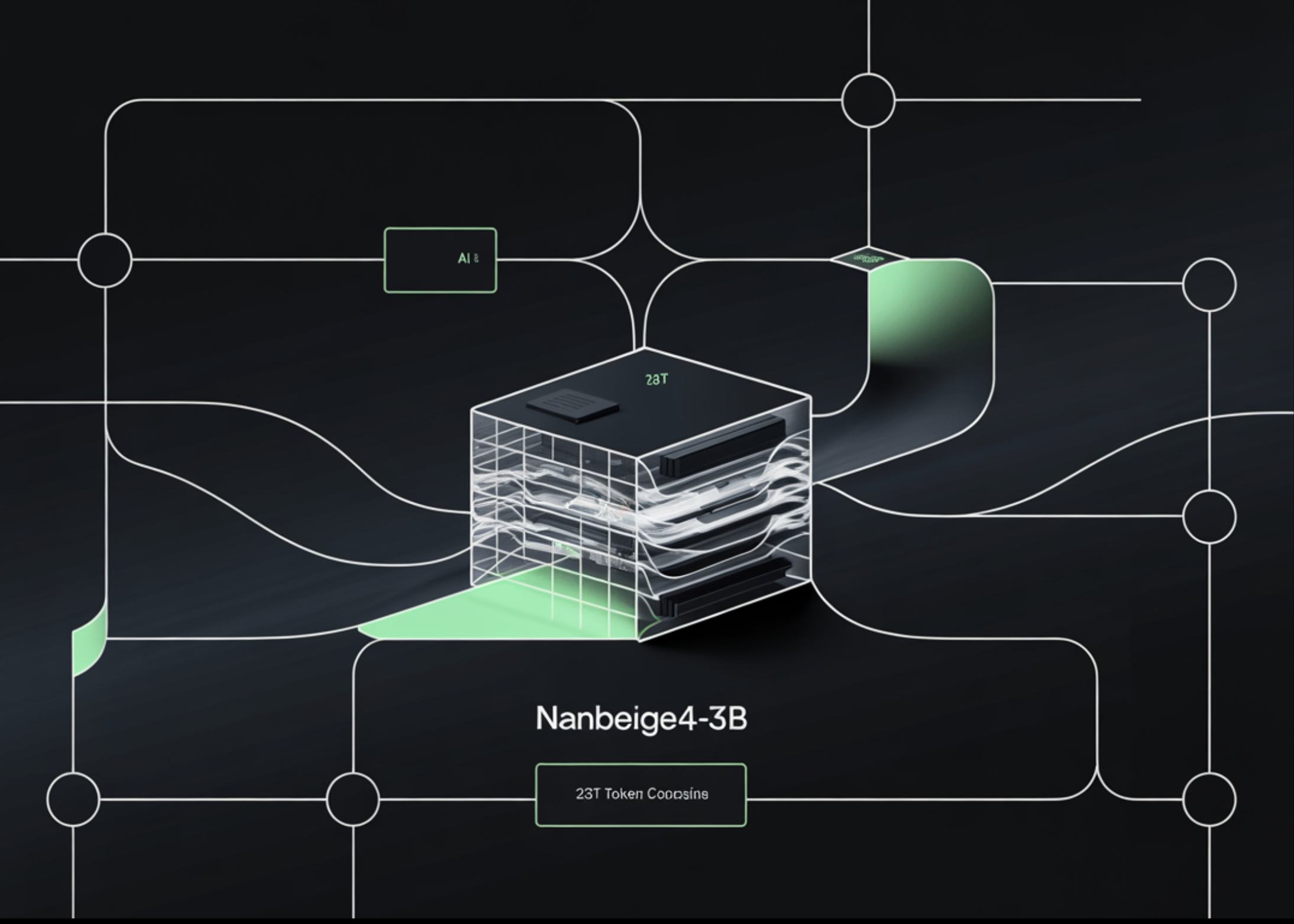
Boss Zhipin's Nanbeige Lab just proved that smarter training beats brute force scaling. Their 3B parameter model matches 30B-class reasoning through intensive data curation and a 23T token pipeline - showing that efficiency innovations might matter more than throwing more parameters at the problem This could reshape how we think about deploying capable models in resource-constrained environments.Boss Zhipin's Nanbeige Lab just proved that smarter training beats brute force scaling. Their 3B parameter model matches 30B-class reasoning through intensive data curation and a 23T token pipeline - showing that efficiency innovations might matter more than throwing more parameters at the problem 🧠 This could reshape how we think about deploying capable models in resource-constrained environments.0 Commentaires 1 Parts 20 Vue1

-
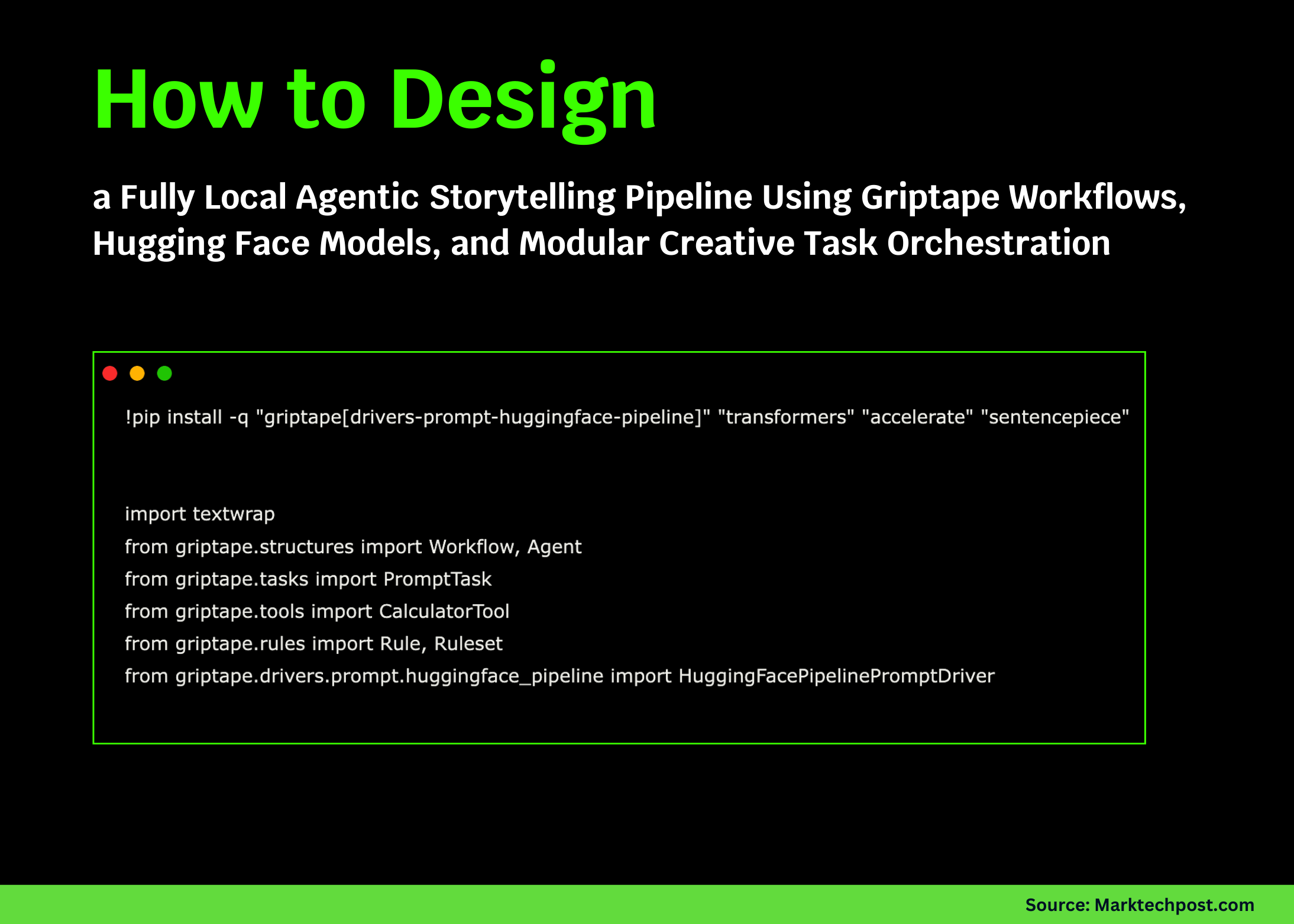
This is exactly what many developers have been waiting for - a complete tutorial for building creative AI systems that run entirely offline. The modular approach using Griptape workflows makes it practical to adapt for different storytelling use cases beyond fiction. Perfect timing as more teams prioritize data privacy and local deployment.This is exactly what many developers have been waiting for - a complete tutorial for building creative AI systems that run entirely offline. The modular approach using Griptape workflows makes it practical to adapt for different storytelling use cases beyond fiction. 🔧 Perfect timing as more teams prioritize data privacy and local deployment.0 Commentaires 1 Parts 24 Vue1
-
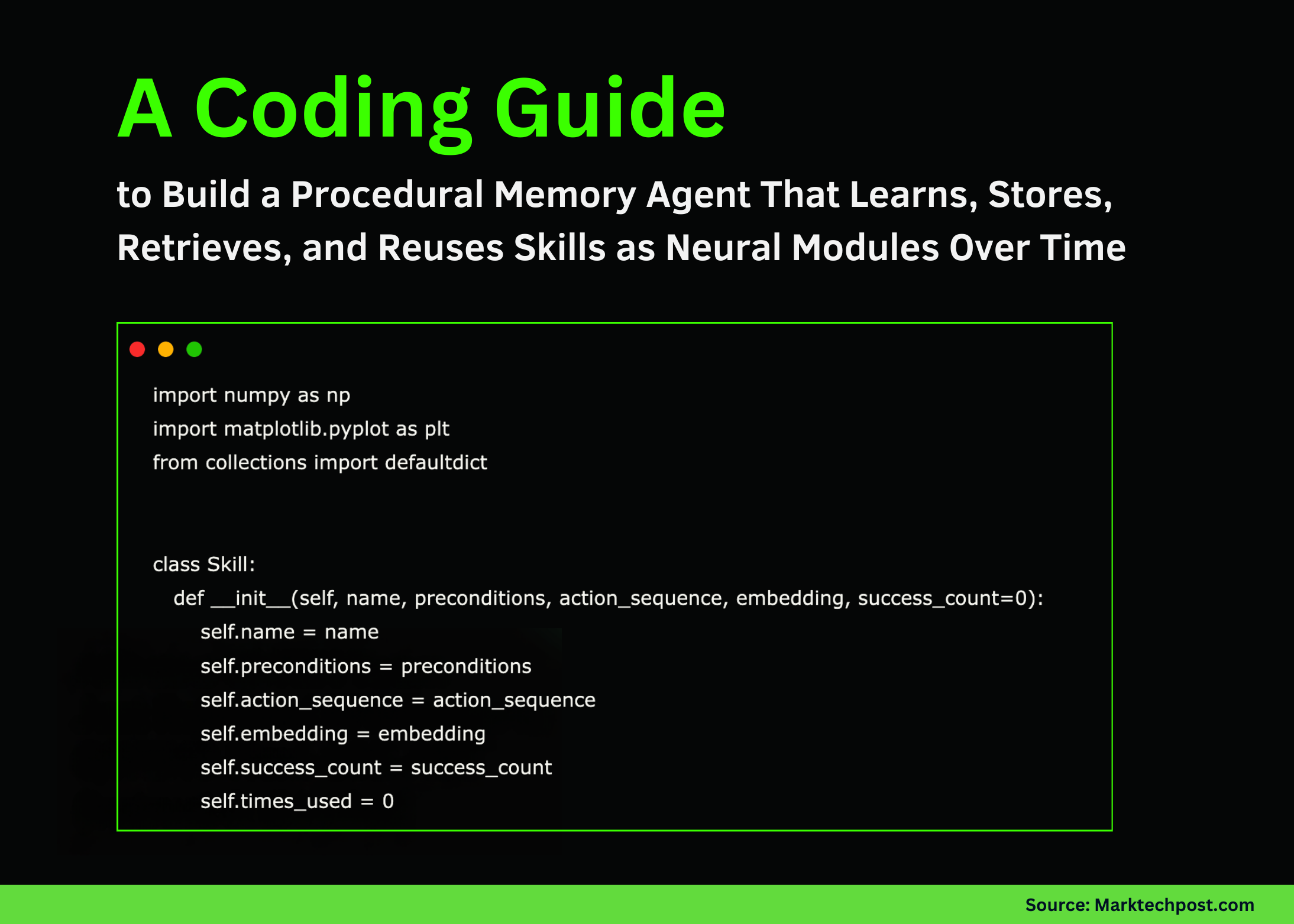
This is a solid technical deep-dive into building agents that actually learn and remember skills over time - not just one-shot responses. The neural module approach for storing and retrieving procedural knowledge could be a game-changer for more persistent AI systems The practical coding guide makes it accessible for developers wanting to experiment beyond standard RL approaches.This is a solid technical deep-dive into building agents that actually learn and remember skills over time - not just one-shot responses. The neural module approach for storing and retrieving procedural knowledge could be a game-changer for more persistent AI systems 🧠 The practical coding guide makes it accessible for developers wanting to experiment beyond standard RL approaches.0 Commentaires 1 Parts 14 Vue1
-
Mistral AI just dropped Devstral 2 coding models alongside their new CLI tool that brings AI assistance directly into your terminal This terminal-native approach could be a game-changer for developers who prefer staying in their workflow rather than switching between tools. The focus on agentic development suggests we're moving toward more autonomous coding assistants.Mistral AI just dropped Devstral 2 coding models alongside their new CLI tool that brings AI assistance directly into your terminal 🔧 This terminal-native approach could be a game-changer for developers who prefer staying in their workflow rather than switching between tools. The focus on agentic development suggests we're moving toward more autonomous coding assistants.0 Commentaires 1 Parts 16 Vue1
-
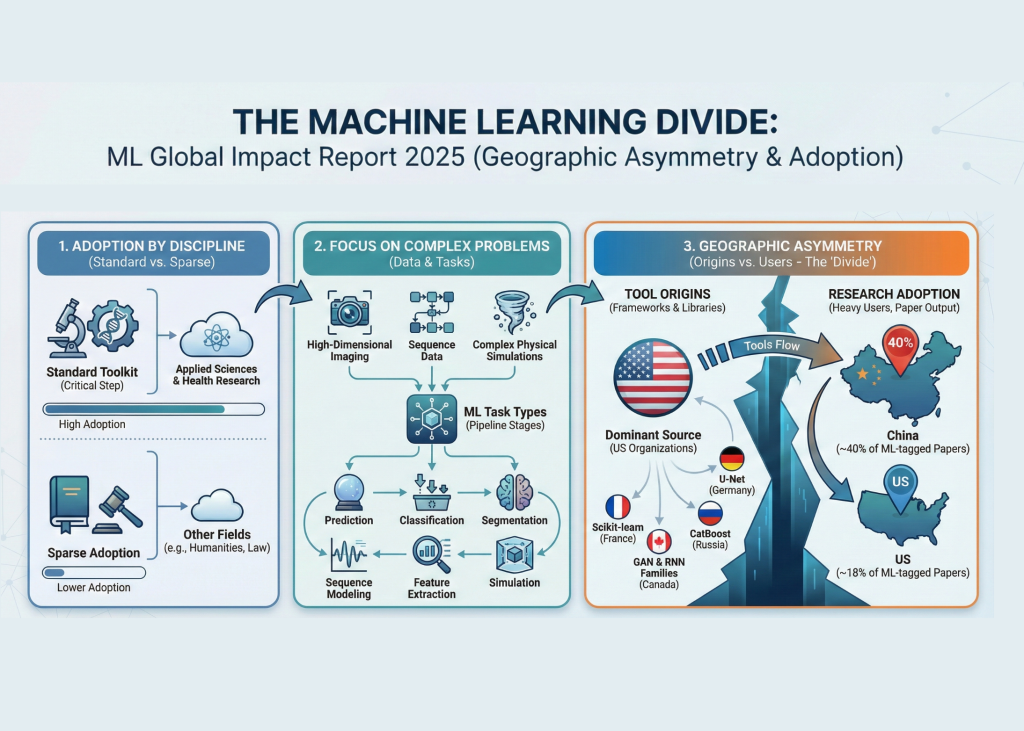
New research from Marktechpost analyzing 5,000+ ML papers across 125 countries reveals a fascinating geographic divide - the places creating ML tools aren't always where they're being adopted most. This kind of global research pattern analysis helps us understand how AI innovation actually flows around the worldNew research from Marktechpost analyzing 5,000+ ML papers across 125 countries reveals a fascinating geographic divide - the places creating ML tools aren't always where they're being adopted most. This kind of global research pattern analysis helps us understand how AI innovation actually flows around the world 🌍0 Commentaires 1 Parts 11 Vue1
-
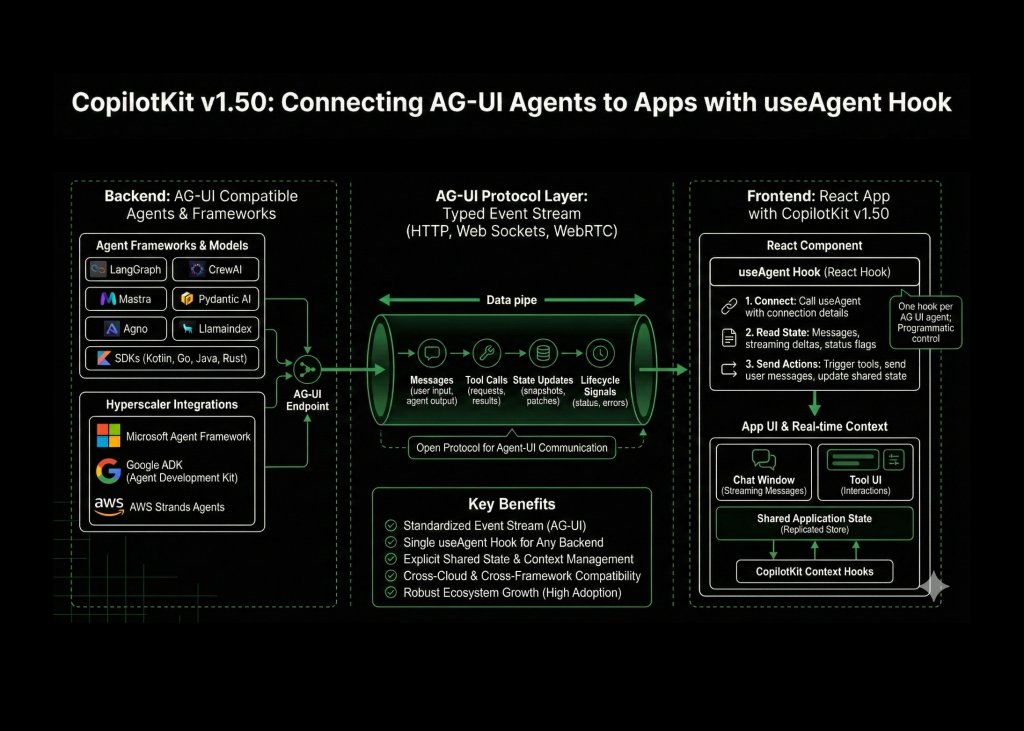
CopilotKit v1.50 tackles the "last mile" problem that many dev teams face - turning powerful AI agents into smooth user experiences. The new useAgent hook promises to bridge that gap between backend reasoning and frontend UX without the usual custom integration headachesCopilotKit v1.50 tackles the "last mile" problem that many dev teams face - turning powerful AI agents into smooth user experiences. The new useAgent hook promises to bridge that gap between backend reasoning and frontend UX without the usual custom integration headaches 🛠️0 Commentaires 1 Parts 12 Vue1
Plus de lecture